
Determining a child’s place of residence
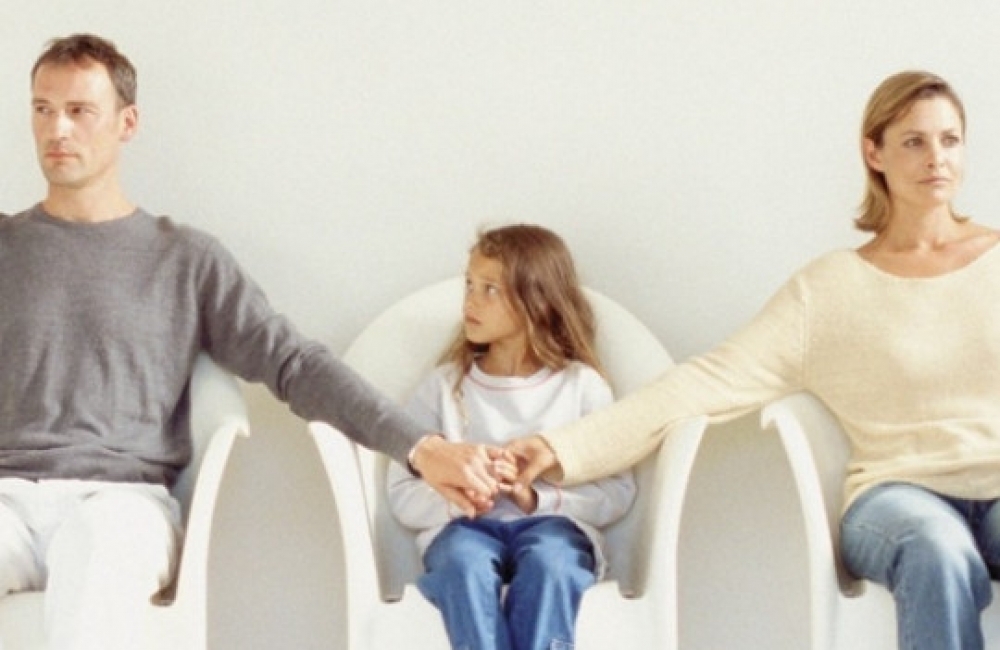
How to determine the place of residence of the child: consultation with a lawyer in Kyiv
Family lawyer and legal consulting are often faced with disputable issues of determining a child’s place of residence.
What state authority decides on the determination of the child’s place of residence?
According to part 1 of Art. 161 of the Family Code, if the mother and father, who live separately, have not come to an agreement about which of them will live with a minor child, the dispute between them may be resolved by the body of trusteeship and guardianship (1) or the court (2).
Determination of a child’s place of residence by the body of trusteeship and guardianship
According to Article 19 of the Family Code of Ukraine:
- In cases stipulated by this Code, a person has the right to apply in advance for protection of his/her family rights and interests to the body of trusteeship and guardianship.
- The decision of the trusteeship and guardianship agency is binding if, within ten days of its issuance, the person concerned has not appealed for protection of his or her rights or interests in court.
Judicial determination of a child’s place of residence
After examining the circumstances of significant importance (the parents’ attitude to the performance of their parental duties, the child’s personal preferences for each of them, the age of the child, the state of his or her health, whether the parties to the dispute have independent income, the presence (absence) of the fact of alcoholic and drug abuse, presence (absence) of immoral behavior that could harm the development of the child, etc.), and the persuasion of the lawyer in the prospects of taking a court decision in favor of the client, gather written evidence, prepare a statement of claim for determination of the child’s place of residence and the entire package of documents is submitted to the court of first instance.
The case proceedings are opened.
To comply with the requirements of parts 4 and 5 of Article 19 of the Family Code of Ukraine, to participate in the case as a third party is involved guardianship authority, represented by an appropriate legal entity.
According to part 5 of Article 19 of the Family Code, the guardianship authority submits to the court a written opinion on the resolution of the dispute based on information obtained from an examination of the living conditions of the child, the parents, other persons willing to live with the child, to participate in his/her upbringing, as well as other documents relevant to the case.
It should be noted that the courts almost always decide in favor of a written opinion of the guardianship and trusteeship authority.
You should also know that according to Article 160 of the Family Code of Ukraine:
- The place of residence of a child under the age of ten is determined by parental consent.
- The place of residence of a child who has reached the age of ten years is determined by common consent of the parents and the child.
- If the parents live separately, the place of residence of a child who has reached the age of fourteen is determined by him/herself.
In addition, in a dispute to determine the place of residence of the child, the chances of the father to win the case, with other things being equal, are less than the chances of the mother.
This point of view was confirmed by the Supreme Court of Ukraine, forming a legal opinion in case № 6-2445cc16, the essence of which is as follows:
“… Principle 6 of the Declaration of the Rights of the Child proclaims that the child, for the full and harmonious development of his/her personality, needs love and understanding. He/she should, whenever possible, grow up in the care and responsibility of his or her parents and in any case in an atmosphere of love and moral and material security; a minor child should not, unless there are exceptional circumstances, be separated from his or her mother.
In the case under review, the trial court found that the children’s mother had a permanent place of residence, a permanent place of work and a source of subsistence, and that she had created all the conditions for the children’s residence, upbringing and development.
At the same time, the courts in this case have not established exceptional circumstances in the understanding of the provisions of Article 161 of the Family Code and Principle 6 of the Declaration of the Rights of the Child, indicating that the children cannot live together with the mother.
Thus, the trial court reasonably concluded that there were grounds for determining the children’s place of residence with their mother and that there were no legal grounds, under the above norms of substantive law, for separating the children from their mother».
The essence of this legal conclusion is that in order to determine, other things being equal, the place of residence of the child with the father requires exceptional circumstances, which are rare.
